
The Best Age for Breast Augmentation: When Is the Right Time?
When someone is looking for the best age for breast augmentation, they usually don’t just want a number. They want to know if the timing is right, if their breasts have finished developing, if they will change later due to pregnancy or the passage of time, and, above all, if they are making a safe decision.
My opinion is quite clear: the best age for breast augmentation isn't determined solely by one's date of birth. It's determined when three factors align: full breast development, emotional maturity, and a thorough medical evaluation.
In addition, there’s something many patients realize too late: regardless of age, implant size, or type, the real difference usually lies in the quality of medical care. In my experience, your peace of mind changes completely when you don’t feel like just another patient, but rather someone who is valued, well-informed, and well-supported from the very first consultation through the postoperative period.
Is there an ideal age for breast augmentation?

Yes and no. There is a range that tends to be appropriate for many patients, but there’s no one-size-fits-all magic age.
Before considering breast augmentation surgery, it is important to ensure that the breasts have finished developing and that the patient is mature enough to make an informed decision. Legally, the standard criterion is the age of majority, but from a medical standpoint, the assessment goes far beyond simply checking the patient’s ID.
That’s why, when people ask me what the best age is for breast surgery, I prefer to answer this way: the best age is when your body is ready—and you are too. There are women who, at 18, perfectly meet those conditions, and others who, although legally eligible for surgery, are not yet at their best due to doubts, unstable expectations, or physical changes that are still underway.
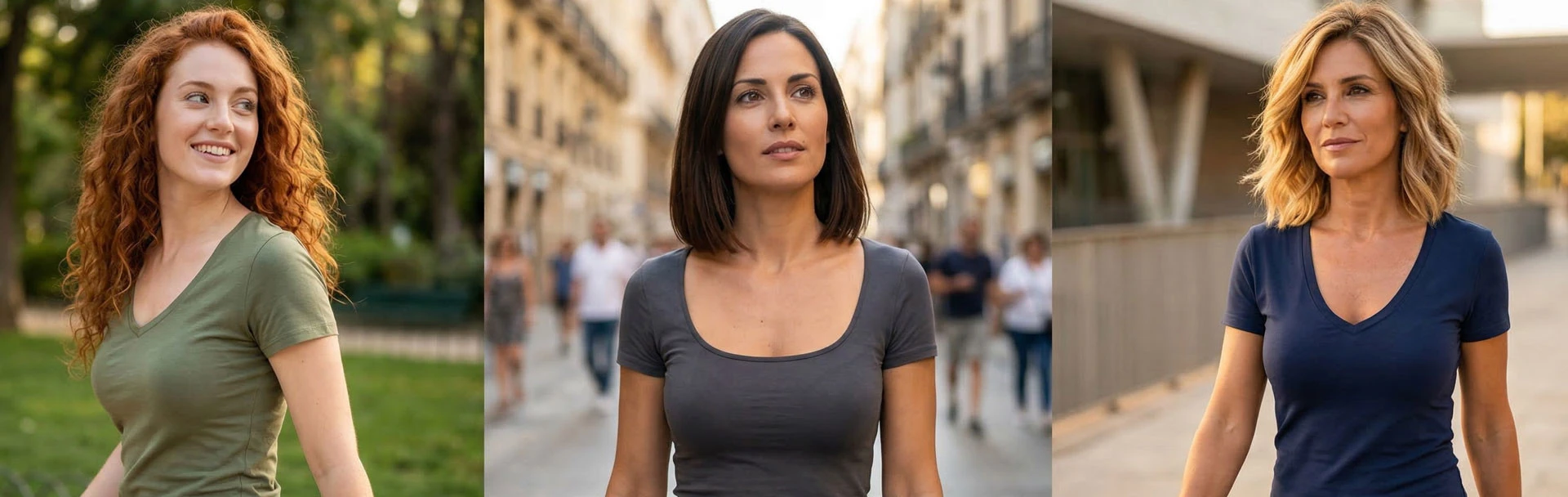
It’s also important to understand that the breasts change over time. A young patient who has had small breasts since adolescence is not the same as a 34-year-old woman who has been through pregnancy and breastfeeding, or a patient over 45 who is looking to restore her shape, remove old implants, or achieve a more harmonious result.
Legal age vs. medical age: what surgeons really consider
At what age can a person undergo breast surgery?
Generally speaking, cosmetic breast augmentation surgery is recommended for individuals aged 18 and older.
However, just because a patient is 18 years old does not automatically mean that this is the best time. The surgeon must assess whether breast development is complete, whether the patient’s expectations are realistic, whether she is emotionally stable, and whether her decision to undergo surgery stems from a mature personal choice.
I think this is key because many searches of this kind mask a very human anxiety: “Am I jumping the gun?”, “Should I wait?”, “Will I regret it?”. The legal age answers only part of the question. The medical age answers the important part.
How to tell if your breasts have finished developing
This brings us to one of the most frequently asked questions. Breast development is usually complete by the end of adolescence and the beginning of adulthood, but this is not the case for all women. In some cases, the breasts continue to change even after the age of 18, and factors such as hormones, weight changes, pregnancy, or breastfeeding also play a role.
That means we shouldn't oversimplify things. Not all 18-year-old patients are at exactly the same biological stage. That's why a preliminary medical evaluation is so important.
In my case, this is one of those points where the support you receive makes all the difference. When the surgeon doesn’t just see you during a quick initial visit, but actually takes the time to assess you, explain things to you, and follow up with you, the decision becomes much easier to make. And that carries a lot more weight than reading a rough estimate online.
When breast augmentation is not recommended
Incomplete breast development
If your breasts are still developing, having surgery too early can affect the results and increase the likelihood that you will want a follow-up procedure.
Unrealistic expectations or significant doubts
Another sign that now may not be the right time is wanting to have surgery without being clear about why, hoping for a miraculous transformation, or trying to please someone else. A good surgeon doesn’t just measure the chest, skin, and volume; they also assess whether the patient understands the surgery, the postoperative recovery, and the realistic limits of the results.
Pregnancy or breastfeeding in the near future
It doesn't always mean the surgery has to be postponed, but it does warrant an honest discussion. If a patient is planning to become pregnant very soon, it may sometimes make sense to wait to prevent her breasts from changing shape afterward, which could mean the surgery no longer achieves the original goal.
The best age for breast augmentation at each stage
Between 18 and 20

This age group often raises many questions because it coincides with coming of age and with concerns about appearance that often date back several years. The most important thing here is not to rush into anything. Just because you’re legally allowed to doesn’t mean you should do it right away from a medical standpoint.
If breast development is complete, the patient knows exactly what she wants, and the evaluation is positive, this may be a good time to undergo breast augmentation surgery. However, if physical changes are still occurring, there are many doubts, or expectations are overly idealized, waiting is usually the best decision.
Personally, I believe this is an age at which the surgeon’s role should be twofold: that of a technician and a guide. It’s not enough to simply say, “Yes, you can have the surgery.” You have to explain very clearly what the procedure will achieve, what it won’t, and why.
In their 20s and 30s

This is likely the stage at which most patients are suitable candidates for primary breast augmentation surgery. The body has stabilized, the decision is usually more well-considered, and the patient typically has a clearer idea of what bothers her and what she expects from the outcome.
These days, many people aren’t just looking for “more volume”—they’re looking for “proportion,” “getting back into shape,” and “a natural-looking result.” And that changes the conversation quite a bit. It’s no longer just about size; it’s about body balance, lifestyle, clothing, exercise, scars, recovery, and long-term results.
At this stage, what sets a clinic apart really stands out. When a patient is making an informed decision, she greatly values knowing that the same surgeon will evaluate her, perform her surgery, and support her throughout the entire postoperative period. That continuity not only instills confidence; it also enhances the overall experience.
Starting at age 40

Once you reach 40, there is no such thing as a “bad” age per se. What changes is the criteria used to assess suitability. The decisive factors are overall health, tissue quality, preoperative tests, and the overall safety of the procedure.
In addition, at this stage, many patients do not seek treatment solely for breast augmentation. They also aim to restore firmness, correct sagging, improve symmetry, or address issues from previous surgeries. In these cases, the goal is not usually just to increase volume, but to achieve a breast shape that is more proportionate and harmonious with their current body.
Here, the approach tends to be less impulsive and more practical. Many women aren’t looking for a radical change, but rather to feel comfortable with their appearance again. The best age, then, isn’t determined by the calendar, but by the actual reason for the procedure and a well-considered surgical recommendation.
Beyond Age: Why Medical Support Completely Transforms the Experience
One thing is very clear to me: most articles on this topic discuss minimum age, breast development, and the type of surgery, but they rarely focus on what people actually remember afterward. And what many patients remember isn’t just the final cup size, but how they felt throughout the entire process.
Regardless of age, implant type, or size, the real difference in breast augmentation lies in the medical care provided. For me, this isn’t just a marketing gimmick; it’s an integral part of the outcome. When a single plastic surgeon at a clinic performs the initial evaluation, carries out the procedure, and supports the patient throughout the entire postoperative period, the sense of control and peace of mind is completely different.
It’s not the same to be passed from one person to another as it is to have genuine continuity of care. It’s not the same to leave the operating room feeling like someone will call you later as it is to know who is monitoring your progress, answering your questions, and observing how your body is responding. That close follow-up provides reassurance, reduces anxiety, and makes the postoperative experience feel entirely different.
And this ties directly into the initial question. Because the best age to have breast surgery isn’t just the one that makes medical sense; it’s also the one when you choose a team that supports you well. Choosing the right time and choosing the right surgeon are both part of the same decision.
How to Know If Now Is the Right Time for Breast Surgery
Checklist for evaluation before making a decision
If you want a practical answer, I would ask myself these questions:
- Have my breasts finished developing?
- Do I have a realistic idea of what I want to achieve?
- Am I getting this surgery for myself, or because of outside pressure?
- Am I correct in understanding that the result should be tailored to my body?
- Can I take it easy during the postoperative period and follow up with my doctor?
- Am I choosing a clinic based on the doctors' reputation or just on price?
- Am I planning to get pregnant very soon?
- Does it give me peace of mind that the same surgeon oversees the entire process?
If several of these answers still leave you feeling uncertain, it might not be that you can't do it, but rather that now isn't the right time for you.
Questions You Should Ask During Your First Appointment
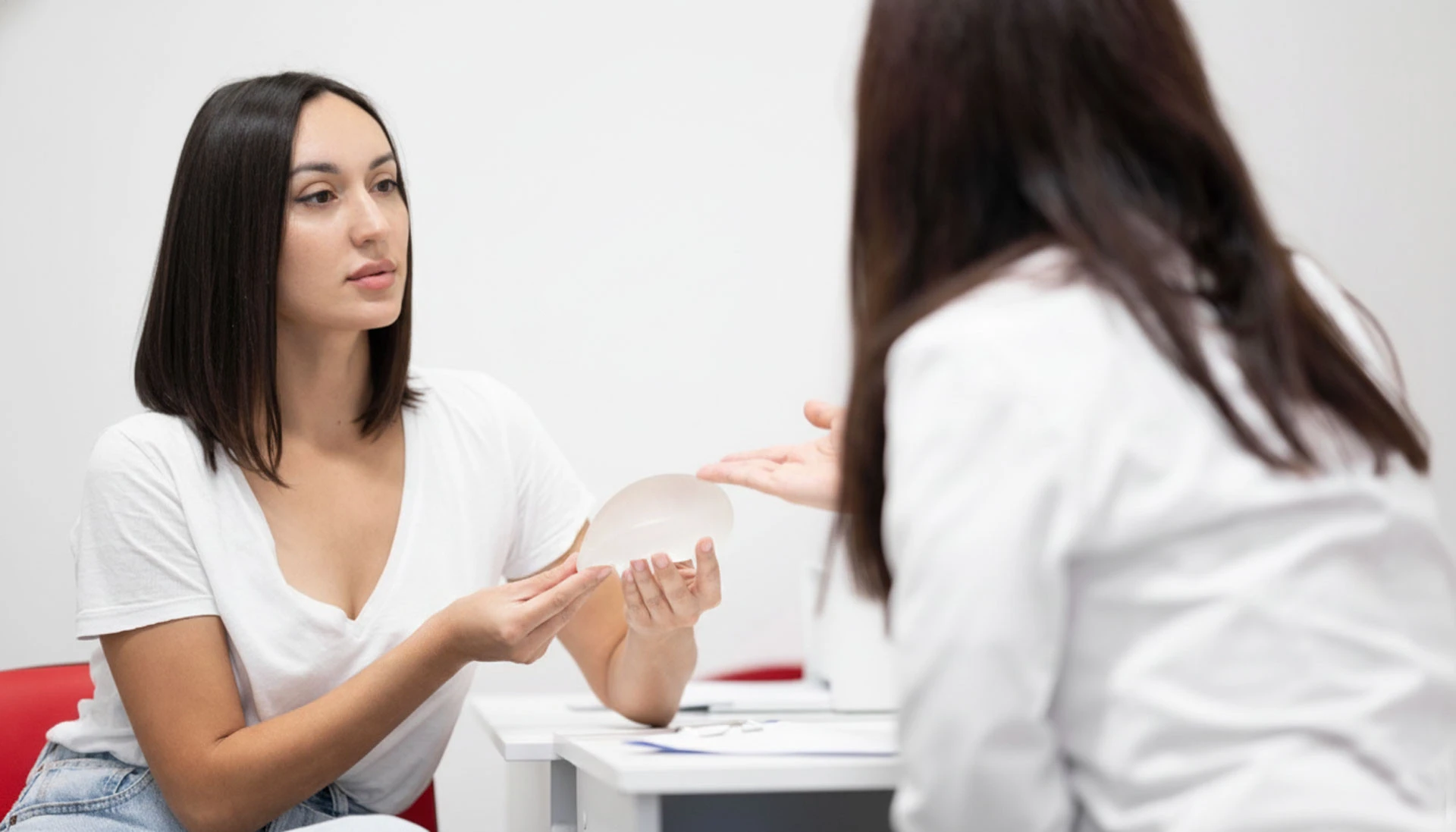 A good consultation shouldn't just stop at "what size do you want?" It should, at the very least, address the following:
- Is my breast development complete?
- Should I apply now, or would you recommend waiting?
- Which technique is best suited to my body type?
- What changes might occur during pregnancy or due to weight fluctuations?
- What will my actual recovery be like?
- Who will be responsible for my follow-up care after surgery?
- What normal and abnormal symptoms should I expect during the postoperative period?
For me, this last part is crucial. True peace of mind comes when the patient knows who is there for her and feels that she is not alone after her surgery.
Conclusion: The best age isn't always just a number
If I had to sum it up in a single sentence, it would be this: the best age for breast augmentation isn’t always a specific number, but rather a combination of physical maturity, personal decision, and sound medical judgment.
To focus solely on a general age range would be an oversimplification. The real question isn’t “At what age can I have the surgery?” but rather “Am I at the right time and in the right hands?” In my opinion, that’s the difference between a hasty decision and a well-considered one. At our plastic surgery clinic in Barcelona, Clinica Belba, the surgeon will help you address all your questions and concerns about whether or not now is the right time for breast augmentation.