
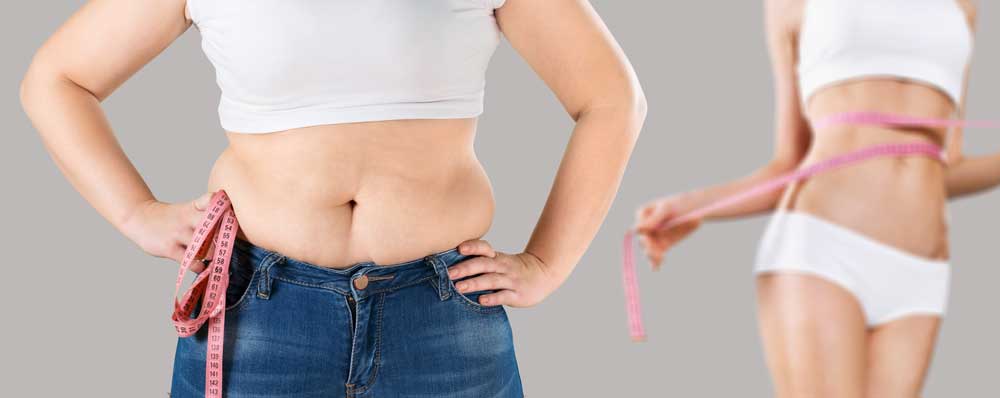
If you need to know how to lose belly fat, the answer isn’t a quick fix or a miracle exercise. Many people find that when they try to lose weight, it’s difficult to reduce belly fat. Abdominal fat is reduced, above all, when you maintain a consistent calorie deficit, exercise regularly, and maintain habits you can stick with for months, not just a week. Furthermore, doing only sit-ups doesn’t eliminate localized fat: core exercises strengthen the abdomen, but fat loss occurs throughout the entire body. In the last section of the article, we explain the definitive way to lose belly fat.
It’s also important to understand that not all abdominal fat is the same. In addition to subcutaneous fat, there is visceral fat, which accumulates around the organs and is associated with an increased risk of high blood pressure, type 2 diabetes, cardiovascular disease, fatty liver, and other health problems. In women, abdominal fat accumulation can increase with age and after menopause, partly due to hormonal changes and loss of muscle mass.
That’s why the goal shouldn’t just be to “look flatter,” but to improve body composition, metabolic health, and consistency. That’s the difference between losing a few inches over two weeks and truly transforming your midsection in the medium to long term.
What's Behind Belly Fat

Abdominal fat doesn't develop because of a single cause. Body weight and fat accumulation in the midsection are influenced by the balance between calories consumed and calories burned, age, genetics, and physical activity levels. When you consistently eat and drink more calories than you burn, you’re more likely to gain weight, including around your abdomen. Additionally, as you age, you lose muscle mass, which causes your body to burn fewer calories if you don’t do strength training or stay active.
This explains why so many people feel frustrated. Sometimes it’s not just a matter of “everything going to the belly” by chance; rather, it’s the result of several factors coming together: lack of exercise, an excess of liquid or ultra-processed calories, irregular sleep, stress, and a routine that doesn’t help preserve muscle. And when that happens, the waistline is usually one of the first areas to show it.
Here’s an important point: you can’t force your body to lose fat only from your abdomen. What you can do is create the right conditions for overall fat loss, and then your belly will shrink as well. That distinction makes a big difference in your approach.
The key step: creating a calorie deficit without going overboard
If I had to sum up the entire article in a single sentence, it would be this: without a calorie deficit, there is no sustainable fat loss. That doesn’t mean starving yourself, but rather consuming fewer calories than you burn for long enough to mobilize body fat. In fact, one of the reviewed guidelines puts it very clearly: doing hundreds of sit-ups won’t reduce your belly if that deficit isn’t there.
That said, creating a calorie deficit isn’t the same as going on an extreme diet. Crash diets can lead to rapid weight loss, but often at the expense of water and muscle mass, and they’re also difficult to stick to. The typical result is weight regain. It’s much more effective to aim for a moderate calorie deficit that you can maintain through a sensible, satisfying diet that fits into your real life.
I like to think of this as a strategy for consistency, not punishment. If your plan leaves you constantly hungry, anxious, and with no social life, it’s probably not a good plan, even if it looks “perfect” on paper.
What to Eat to Lose Belly Fat

A nutritional foundation works quite well when it is based on four pillars: lean protein, fiber, healthy fats, and minimally processed foods. A diet rich in protein, fiber, and healthy fats promotes satiety and makes it easier to control calorie intake. Protein also helps preserve muscle mass, which is especially important when you’re losing weight.
In practice, this usually means prioritizing foods such as:
- eggs, fish, chicken, turkey, high-protein yogurt, or legumes;
- vegetables, fruits, legumes, and whole grains because of their fiber content;
- healthy fats in moderate amounts, such as olive oil, nuts, or avocado.
In contrast, ultra-processed foods and added sugars tend to work against you, both in terms of satiety and because they make it easy to overeat. Cooking more at home and cutting back on liquid calories usually helps a lot more than obsessing over “fat-burning” foods, which don’t actually solve the underlying problem.
The best workout for fat loss
To lose belly fat, the best combination is usually strength training + cardio, especially if the cardio includes high-intensity sessions that are well-suited to your fitness level. Strength training helps build and maintain muscle, which improves energy expenditure and body composition. Cardio, including HIIT, can significantly increase calorie burn and complement the process well.
Compound exercises like squats, deadlifts, presses, rows, and lunges are usually much more effective than focusing solely on traditional abdominal exercises, because they engage large muscle groups and allow you to work out more efficiently. The core is still important, of course, but as a complement: planks, mountain climbers, and hollow body exercises help strengthen and stabilize the core, not burn localized fat on their own.

A reasonable routine for most people might include:
- 3 or 4 strength training sessions per week;
- 2 or 3 cardio sessions, one moderate and the other, if appropriate, more intense;
- Basic daily activities: walking more, climbing stairs, moving around more during the day.
HIIT, strength training, and core exercises: how to combine them without getting overwhelmed
HIIT has gained popularity because it allows you to pack a lot of intensity into a short amount of time, and it can be an effective tool for increasing calorie burn. But it’s not a magic solution. It works best when combined with strength training, a healthy diet, and adequate recovery.
Strength, on the other hand, should be the most stable foundation. If you lose weight but also lose a lot of muscle, your midsection may not improve as much as you hope, and maintaining your results later on will be more difficult. That’s why, if I could only choose one training foundation during a fat-loss phase, I would choose strength and build cardio around it.
Core training is best suited as a foundational exercise: it helps with posture, stability, injury prevention, and the appearance of your abs when your body fat percentage is low. But don’t confuse “defining your abs” with “losing belly fat.”
Sleep, stress, and perseverance: the often-overlooked factors

Getting too little sleep and living in a constant state of stress doesn't help at all. Quality sleep and stress management influence hormones related to appetite, recovery, and fat storage. Plus, when you don't rest well, you tend to eat less healthily, move less, and be less motivated to work out.
Hydration is also important, but not because water “burns fat,” but because it helps improve performance, promotes a sense of well-being, and prevents you from mistaking thirst for hunger at times.
If you're doing almost everything right but haven't seen any progress in weeks, the problem often isn't the one exercise you're "missing," but rather the accumulation of small missteps: constant snacking, uncontrolled weekends, lack of sleep, or overly ambitious goals.
How to Tell If Your Belly Fat Is Already a Health Problem
Beyond just aesthetics, measuring your waist can provide a useful indicator. For women, a waist measurement of more than 89 cm is associated with an unhealthy amount of abdominal fat and increased health risks. In general, the larger the measurement, the greater the risk tends to be.
This is not a substitute for a comprehensive medical evaluation, but it does serve as a warning to take the issue seriously. If there is also a history of high blood pressure, elevated blood sugar, fatty liver, sleep apnea, or significant abdominal weight gain, a more structured approach is warranted.
When diet and exercise aren't the whole answer
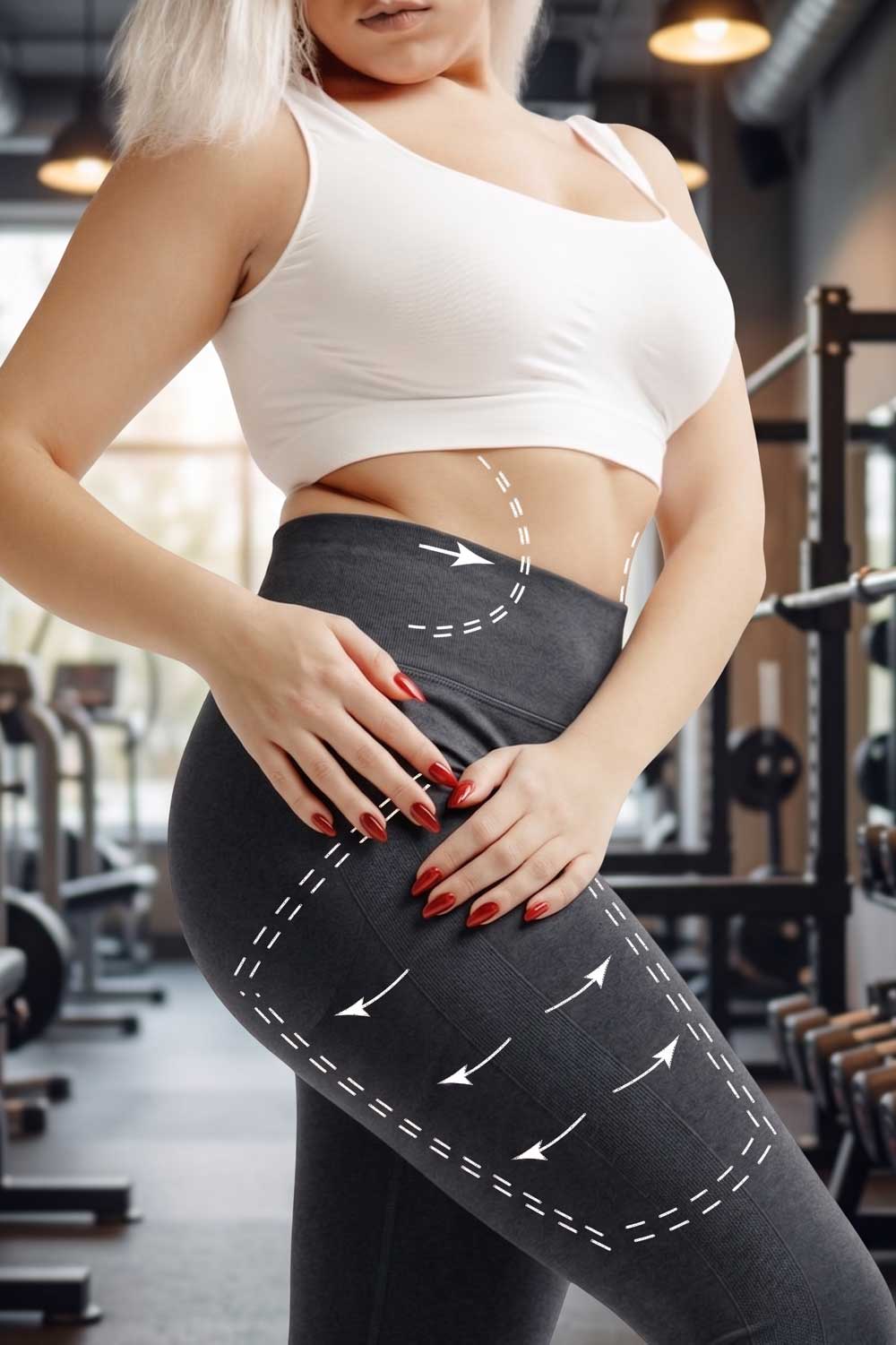
Let's be honest here. Sometimes the problem isn't just fat. After significant weight fluctuations, pregnancy, or severe sagging, there may be excess skin or changes in the abdominal contour that cannot be resolved through calorie deficit and exercise alone. In those cases, we’re no longer talking strictly about “burning fat,” but rather about assessing whether there’s an additional structural or skin-related factor.
If someone, despite improving their habits, still has stubborn localized fat or wants to better understand the options available to reduce it, it may be helpful to learn more about liposuction in Barcelona or Vaser liposuction, especially when there is uncertainty about whether the fat is localized. And if the main issue is sagging or excess skin following significant weight changes or pregnancies, it makes more sense to read about tummy tucks in Barcelona or reviewing patient results from tummy tuck before-and-after photos.
The key is not to confuse the two goals. It’s one thing to lose belly fat in a healthy way. It’s quite another to address excess skin or reshape the body’s contours when lifestyle changes alone can no longer improve that area—that’s where liposuction.
Common Mistakes When Trying to Lose Belly Fat
One of the most common mistakes is relying solely on traditional sit-ups. Another is going on extreme diets and giving up on them after a short time. It’s also very common to underestimate liquid calories, snacking, or weekend “treats,” which can wipe out your calorie deficit before you even realize it.
Another common mistake is expecting results too quickly. Sustainable fat loss is usually slower than we’d like, but that’s precisely why it works best. Patience and discipline are far more important than any quick fix.
Conclusion
If you want to know how to lose belly fat, the real answer lies in creating a sustainable calorie deficit, eating better, doing strength training, adding cardio judiciously, and sticking with those habits long enough. You can’t choose where to lose fat first, but you can create the conditions for your body to start shedding it, including in the abdominal area.
And if, even when you’re doing everything right, the main issue is no longer just fat but sagging or excess skin, then it makes sense to separate your goals and calmly consider other options. It’s that distinction that turns a superficial approach into a truly effective one.
At Clinica Belba , a cosmetic surgery clinic in Barcelona, we can help you permanently eliminate that stubborn belly fat that’s been bothering you so much. Contact us!
Frequently Asked Questions
Is it possible to lose just belly fat?
Not in specific areas. Fat is lost throughout the body. Ab exercises strengthen the muscles, but they don't on their own remove the layer of fat covering them.
Which is more important: diet or exercise?
Both are important, but without a calorie deficit, it's very hard to lose fat. Exercise helps a lot—especially strength training and cardio—but diet usually plays a major role in the results.
Is HIIT the best option?
It's a useful tool, not a requirement. It can be quite helpful in increasing calorie expenditure, but it works best when incorporated into a plan that includes strength training, proper nutrition, and rest.
Which foods are most helpful?
Foods that promote satiety and help you stick to your diet: lean protein, fiber, vegetables, fruit, legumes, and healthy fats in moderate amounts.
When is it a good idea to consider body contouring surgery?
When the issue is no longer just excess fat, but significant sagging or excess skin following major weight fluctuations or pregnancies.