
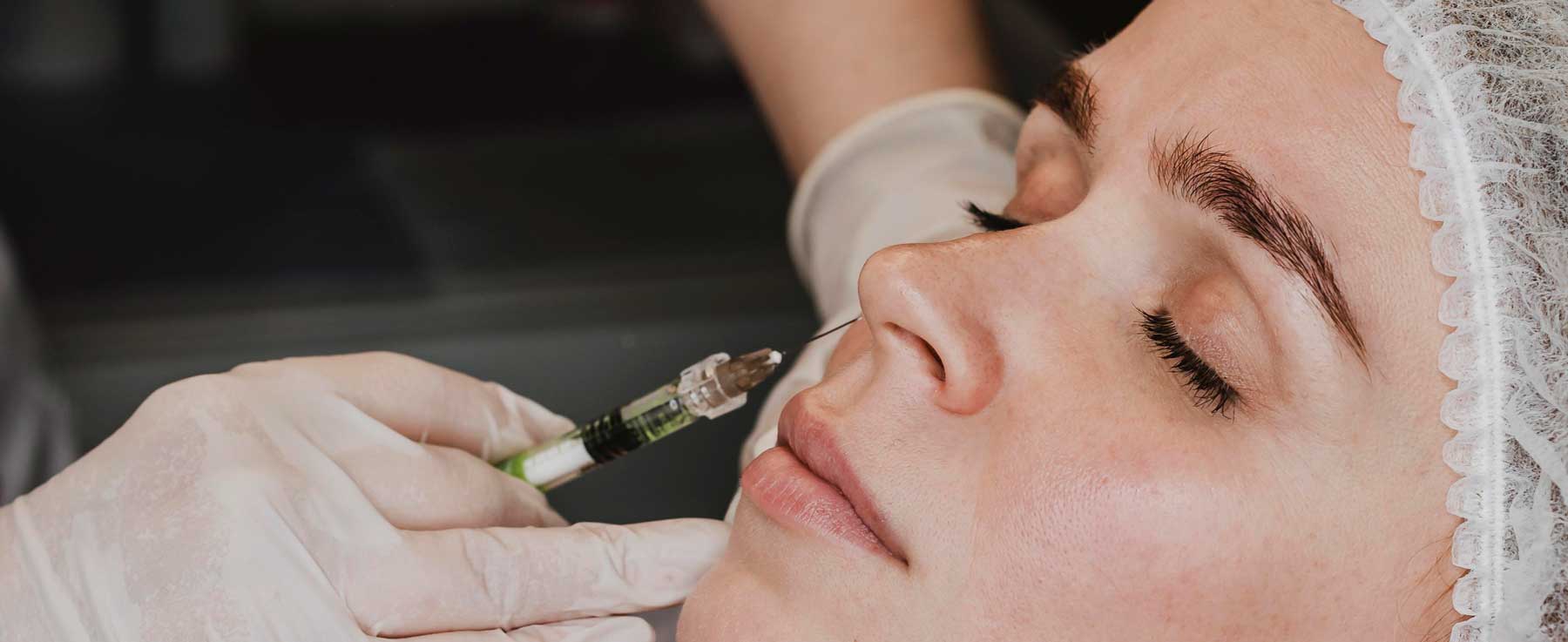
Nose rhinoplasty with hyaluronic acid usually lasts between 9 and 18 months, although a fairly common estimate is around 12 months. The results are not permanent, because hyaluronic acid is gradually reabsorbed over time.
The exact duration depends on several factors, such as the type of product used, the patient’s metabolism, the treated area, and the medical technique. Therefore, although there is a general range, not everyone maintains the results for the same amount of time.
If you're considering a nose job, the most important thing is not to focus solely on a price, but to understand why the results may last longer or shorter and what
How long do the results of a hyaluronic acid rhinoplasty last?
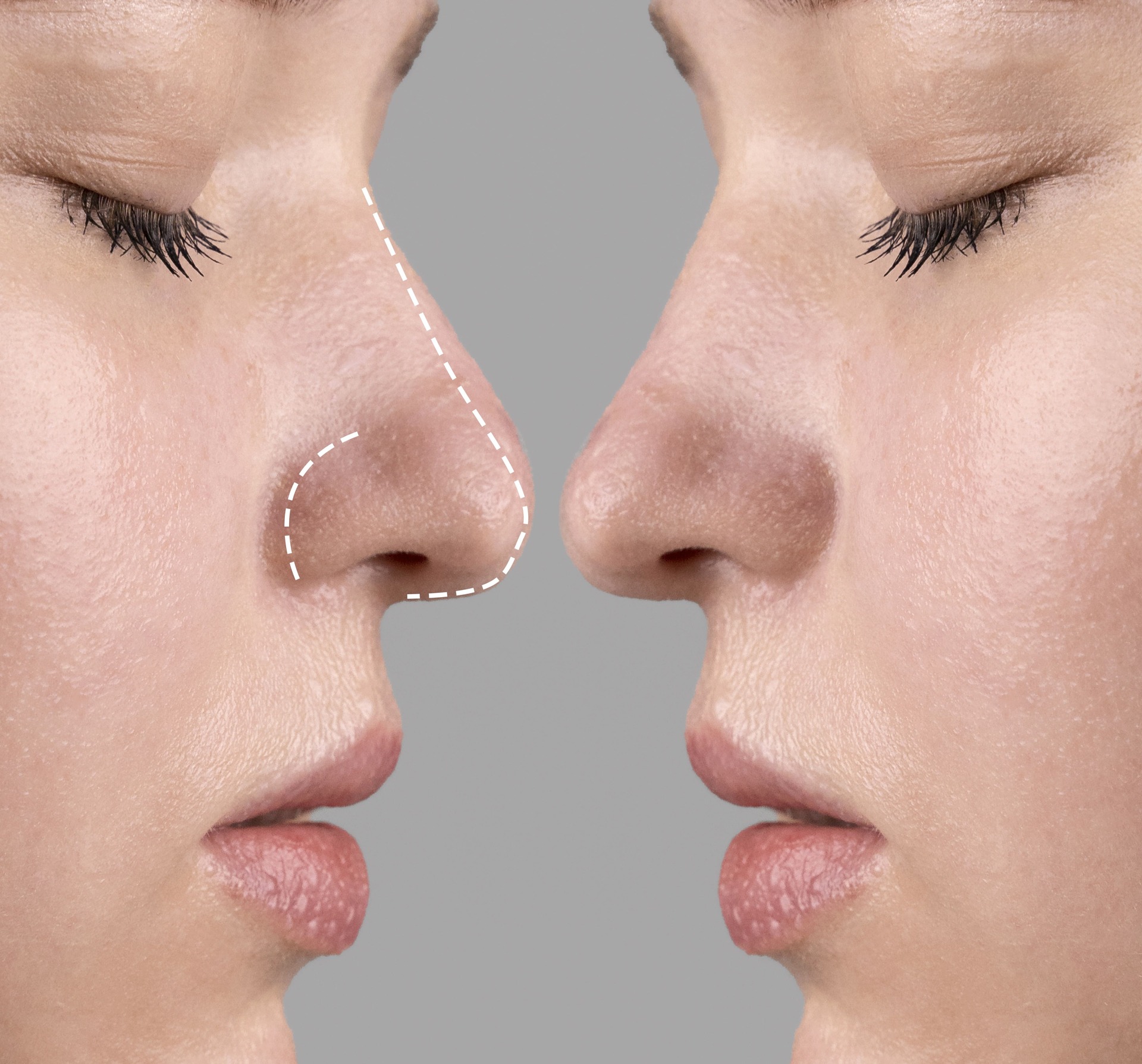
In practice, rhinoplasty is typically performed on patients between 9 to 18 months, with an average duration of around 12 months. After that, the results do not disappear suddenly, but rather gradually fade as the body reabsorbs the hyaluronic acid.
This means there is no exact date when the effect “wears off.” Typically, the nose gradually loses some of the definition achieved, until the patient decides whether they want to maintain the result with a follow-up procedure.
Why doesn't it last the same amount of time for all patients?
The answer is simple: every nose and every metabolism is different. Some people reabsorb the product sooner, while others retain it longer. The area being treated and the desired change also play a significant role.
A subtle correction of the nasal bridge does not typically last as long as a procedure on a more mobile tip or an area subject to more facial movement. For this reason, two patients who undergo similar procedures may experience different results in terms of longevity.
What factors determine the duration of rhinoplasty?
The actual duration of rhinoplasty depends on a combination of factors. There is no single factor that accounts for it all.
Type of hyaluronic acid used
Not all products behave the same way. The density, cohesiveness, and support capacity of hyaluronic acid influence the stability of the results.
Simply put, choosing a product that’s right for your nose and the goal of the treatment helps ensure that the results last longer and look natural for a longer period of time.
The patient's metabolism
This is one of the most important factors. Some people metabolize and reabsorb hyaluronic acid more quickly, while in others the product remains in the body for a longer period of time.
That is why a rhinoplasty cannot guarantee exactly the same results in every case.
Treated area and amount of product
Different parts of the nose behave differently. Some areas are more stable, while others are more mobile. In addition, the amount of material needed to achieve the desired correction also plays a role.
To put it simply: A minor correction on the back doesn’t last as long as one in an area with more movement or a greater need for projection
Medical expertise and experience
The technique matters much more than it seems. It’s not just about injecting hyaluronic acid; it’s about knowing where to place it, how much to use, and what effect is desired.
Proper planning and precise technique help ensure a more stable, harmonious, and reliable result.
How to Make Rhinoplasty Results Last Longer
There's no way to make it last forever, but there are steps you can take to help ensure it turns out well.
During the first few hours or days, the best course of action is usually:
- Do not touch the area,
- avoid intense heat,
- avoid strenuous exercise immediately afterward,
- and follow your doctor's instructions.
Beyond that, lifestyle can also play a role. While it doesn’t completely change the duration, certain habits can help maintain the overall results of the treatment.
Habits that can affect resorption
Exposure to intense heat, certain daily habits, physical activity, and one’s own metabolism can speed up or alter the absorption of the product. For this reason, the duration should never be viewed as a fixed figure that is the same for everyone.
When to undergo a rhinoplasty revision

Nose reshaping is a temporary procedure, so a touch-up may be necessary at some point if the patient wishes to maintain the results.
It is common to consider a follow-up visit when the effect begins to wear off and the correction loses its clarity. In many cases, a follow-up visit is scheduled around 12 to 18 months, although it may sometimes be brought forward depending on each patient’s progress.
Signs that the effect is starting to wear off
The most common signs are usually:
- a gradual loss of definition in the outline,
- less visibility in the treated area,
- or the gradual recurrence of the irregularity that had been corrected.
It's usually not a sudden change, but a gradual one.
How often does it usually happen?
As a general guideline, many people consider a follow-up procedure about a year later or so. However, the right time depends on how the treatment has progressed and the patient’s aesthetic goals.
Nose reshaping or rhinoplasty: when a temporary solution is no longer enough
Rhinoplasty is an excellent option when the goal is:
- smooth out minor imperfections,
- visually align the spine,
- lift the tip slightly,
- or improve your facial profile without surgery.
But there are situations where a temporary solution is no longer enough. If what you're looking to do is reduce the size, change the structure , or treat a functional problem, the option that usually makes the most sense is a rhinoplasty.
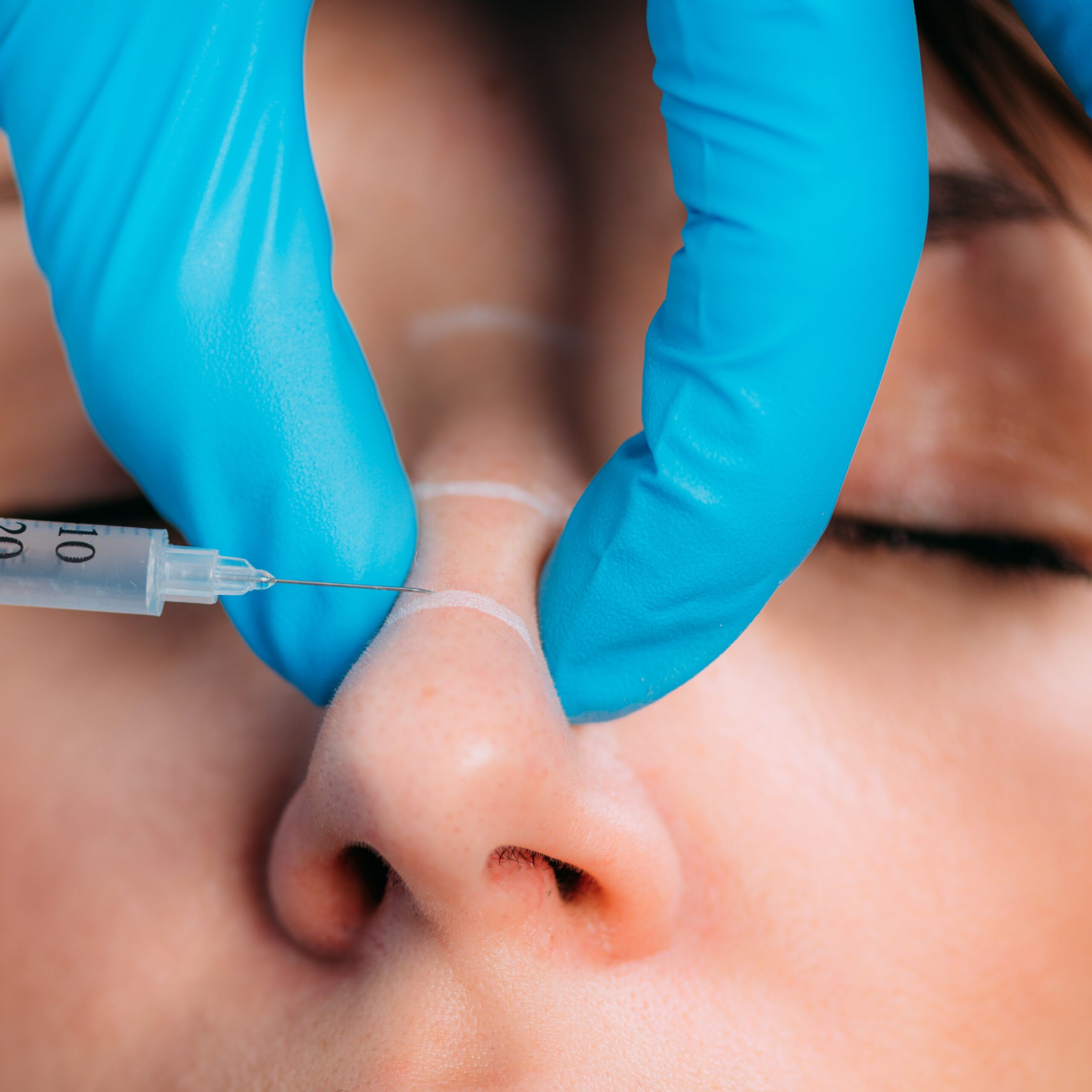
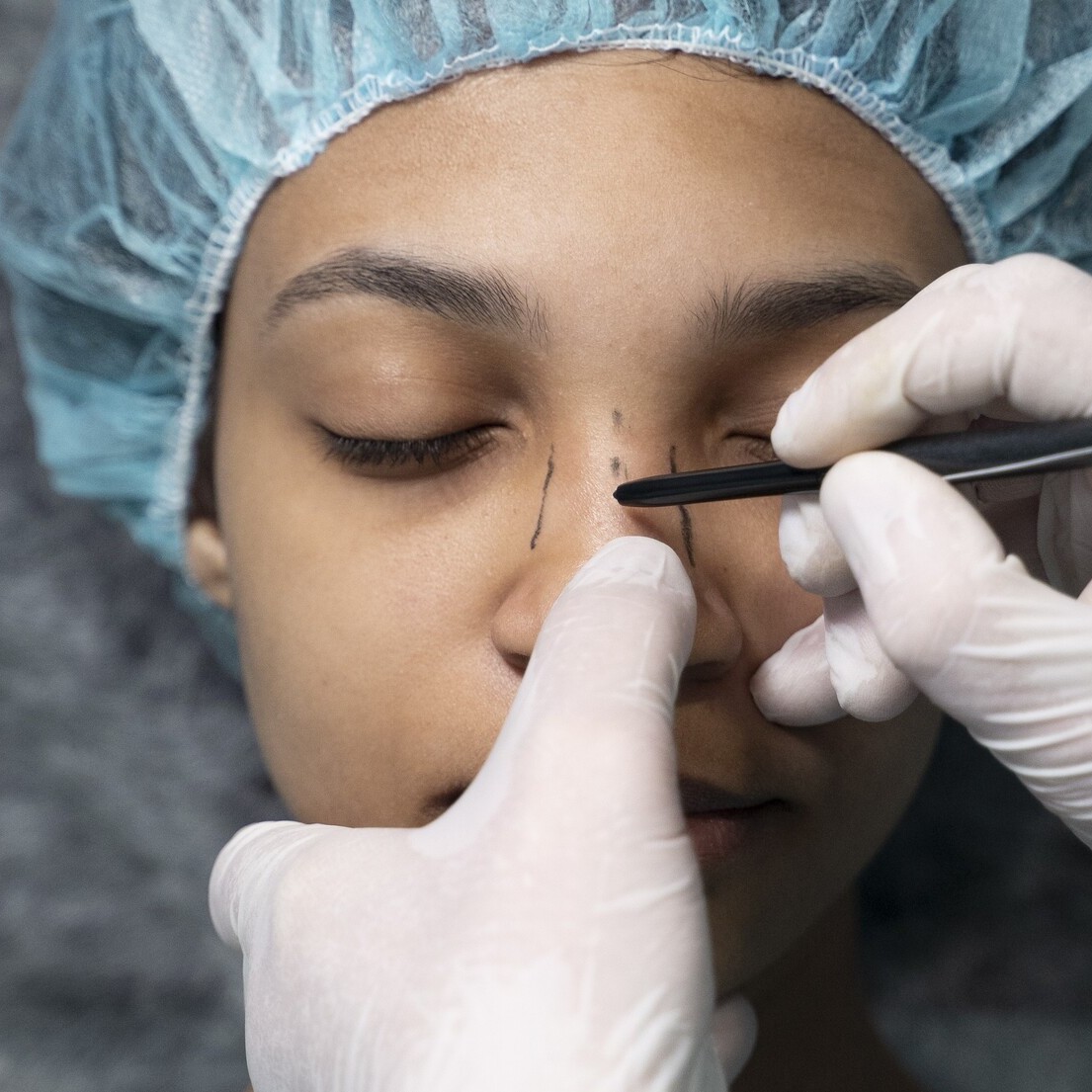
Cases in which rhinoplasty is the best option
Nose reshaping is often a good option when seeking a subtle, noticeable change without surgery, and when the patient understands from the outset that the results are not permanent.
When Should You Consider Rhinoplasty?
Rhinoplasty is usually the best option when you want to:
- reduce the size of the nose,
- modify internal or external structures,
- fix functional issues,
- or seek a more profound and lasting change.
Conclusion
The most realistic answer to how long a rhinoplasty lasts is this: it usually lasts between 9 and 18 months, with a common average of around 12 months, but there is no exact figure that applies to everyone.
The duration depends on the hyaluronic acid used, metabolism, the treated area, the mobility of the nose, and the medical technique. Since the product is gradually reabsorbed, this is considered a temporary treatment.
If the goal is a subtle improvement without surgery, rhinoplasty can be a very appealing option. If, however, you are looking for a structural, functional, or more lasting change, then it is advisable to consider another option. At Belba Clinic Clinic for Cosmetic Surgery we specialize in Nose Reshaping in Barcelona. Request your consultation with a specialist!
Frequently Asked Questions About How Long Rhinoplasty Results Last
How long does a rhinoplasty take?
It usually lasts between 9 and 18 months, although many people stay for around 12 months before considering a touch-up.
Does rhinoplasty last forever?
No. It is a temporary treatment because hyaluronic acid is gradually reabsorbed.
Why does it last longer for some people than for others?
This is because it depends on metabolism, the treated area, the type of product, the amount injected, and the technique used.
When should you get a touch-up?
Usually when the results start to fade and the patient wants to maintain the outcome. This is often recommended between 12 and 18 months.
What causes it to last less?
A faster metabolism, more mobile areas, and certain anatomical features may cause the treatment to take less time.
When is it better to switch from rhinomodeling to rhinoplasty?
When the goal is no longer just a subtle adjustment, but rather to reduce size, change the structure, or resolve a functional issue.

- Dr. Mike Dewever
- April 29, 2026
- 4:23 p.m.